



VGA - Video Graphics Array
Analog RGBHV via 15-pin D-Sub - the video classic since 1987 that still drives projectors, industrial monitors and KVM switches.
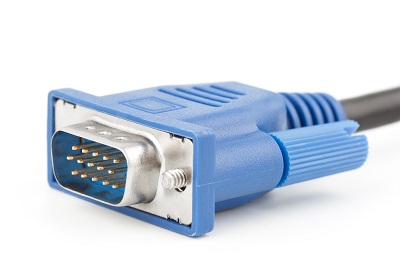
VGA (Video Graphics Array) is the analog video standard introduced by IBM in 1987. The 15-pin D-Sub HD-15 connector carries three analog colour signals (R, G, B), separate horizontal and vertical sync, and a DDC bus for plug-and-play monitor identification (EDID). Despite being analog, VGA is still ubiquitous on projectors, industrial HMIs, KVM switches and signage equipment - the cable runs up to 30 m without repeaters and the signal is robust against EMI.
Technical Specifications
| Standard | IBM VGA / VESA |
| Connector | D-Sub HD-15 (15-pin) |
| Signal | Analog RGBHV |
| Max resolution | 2048 x 1536 @ 75 Hz |
| Pixel clock | ~ 400 MHz |
| Audio | None |
| Cable length | up to 30 m passive |
Matching products in the shop
- VGA cables
- VGA-to-HDMI converters
- KVM switches
Frequently Asked Questions
Is VGA still relevant in 2026?
For projectors, signage and industrial HMIs yes - simple, cheap, robust over long cables. New consumer GPUs no longer have VGA outputs, but VGA-to-HDMI/DP active converters fill the gap.
Why is VGA called a high-density connector?
The HD-15 has 15 pins in a normal DE-9 shell - three rows of five, hence high density. The original DB-9 had only 9 pins.
Can VGA carry sound?
No - VGA is video only. Audio uses a separate jack or RCA pair on consumer gear.
Related connectors in the glossary
- HDMI - the digital successor
- DisplayPort
- DVI - bridge from analog to digital
- SCART
- Video connector overview
- Signal connectors overview
Procurement & engineering support: Phone +49 7666 88499-0 · sales@industry-electronics.com · B2B pricing, volume discounts, custom assemblies on request.