


Certification and Conformity Marks Explained
GS, CE, VDE, ENEC, UKCA, UL/cUL, CCC, RoHS, WEEE — meaning, issuing body, scope and B2B relevance
Certification and conformity marks on electrical products determine market access, liability and insurance cover. In B2B procurement, understanding these marks is fundamental: which are mandatory, which are voluntary? What applies only in Germany, what across Europe, what globally?
All Certification Marks at a Glance
Mandatory Marks
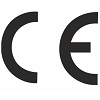
CE EU/EEA • Mandatory |
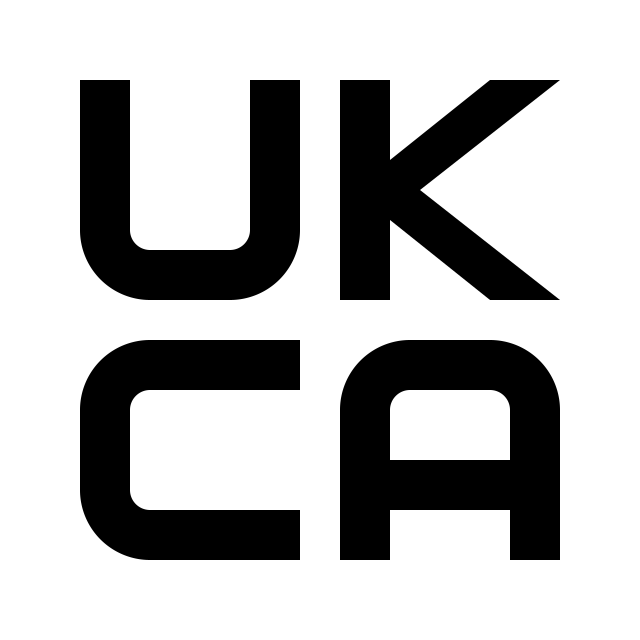
UKCA GB • Mandatory |
RoHS EU • Mandatory |

WEEE EU • Mandatory |
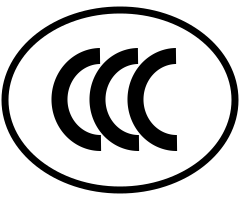
CCC China • Mandatory |
Voluntary Quality and Certification Marks
GS DE/EU • Voluntary |
VDE DE • Voluntary |

ENEC EU • Voluntary |
UL / cUL USA/CA • De facto mandatory |
National European Certification Marks
ÖVE AT • Voluntary |
KEMA-KEUR NL • Voluntary |
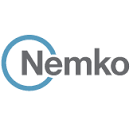
Nemko NO • Voluntary |
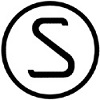
Semko SE • Voluntary |
Quick Reference: Mark, Issuing Body, Scope
| Mark | Issuing Body | Mandatory? | Region | Type |
|---|---|---|---|---|
| GS | TÜV, DEKRA, VDE etc. | No (voluntary) | Germany, EU (recognised) | Quality mark |
| VDE | VDE Testing & Certification Institute | No (voluntary) | Germany (intl. recognised) | Certification mark |
| ENEC | CENELEC partner organisations | No (voluntary) | EU (all member states) | European mark |
| CE | Manufacturer (self-declaration) | Yes | EU + EEA | Conformity marking |
| UKCA | Manufacturer / UK Approved Body | Yes (from 2024) | Great Britain (EN/SC/WA) | Conformity marking |
| UL / cUL | UL Solutions | De facto mandatory (USA/CA) | USA (UL), Canada (cUL) | Certification mark |
| CCC | CNCA (China) | Yes | China (PRC) | Conformity marking |
| RoHS | EU Directive 2011/65/EU | Yes | EU | Substance restriction |
| WEEE | EU Directive 2012/19/EU | Yes | EU | Disposal marking |
| ÖVE | Austrian Electrotechnical Association | No (voluntary) | Austria | Certification mark |
| KEMA-KEUR | KEMA (DEKRA Group) | No (voluntary) | Netherlands / Europe | Certification mark |
1) Mandatory Marks — No Market Access Without These
|
|
CE — Conformité EuropéenneThe CE marking is not a certification mark, but a conformity marking. It declares that the manufacturer confirms compliance of their product with all applicable EU directives on their own responsibility. No regulated product may be placed on the EU single market without CE. It is the entry ticket to the European market — but not a quality mark and not an independent third-party assessment. ► Details: CE Marking Explained |
|
|
UKCA — UK Conformity Assessed (Post-Brexit)Since Brexit, CE is no longer sufficient for Great Britain (England, Scotland, Wales). From January 2024 the UKCA mark is mandatory for most product categories on the British market. The mark is technically equivalent to CE but requires separate UK declarations of conformity and — for certain products — UK Approved Bodies. Northern Ireland remains a special case: CE continues to apply under the Windsor Framework. |
|
RoHS |
RoHS — Restriction of Hazardous SubstancesEU Directive 2011/65/EU (RoHS 2, updated by 2015/863/EU as RoHS 3) restricts hazardous substances in electrical and electronic equipment. Prohibited are inter alia: lead, mercury, cadmium, hexavalent chromium, PBB, PBDE, DEHP, DBP, BBP, DIBP. The "RoHS compliant" logo is not an officially standardised symbol but appears frequently on datasheets. In B2B: as an importer you share responsibility — always request a RoHS declaration of conformity from your supplier. |
|
|
WEEE — Waste Electrical and Electronic EquipmentThe crossed-out wheeled bin symbol is the WEEE marking under EU Directive 2012/19/EU. Meaning: this device must not be disposed of in household waste but must be returned via municipal e-waste collection or take-back systems. Mandatory on all electrical devices in the EU. B2B buyers as first users are legally obligated to ensure proper disposal. |
|
|
CCC — China Compulsory CertificationThe CCC mark (also "3C") is the mandatory certification for market access in the People's Republic of China. It is issued by the national certification authority CNCA and covers safety, EMC and specific Chinese standards. Relevant for export buyers: without CCC, electrical products cannot be sold in China. |
2) Voluntary Quality and Certification Marks — Independently Tested
|
|
GS — Geprüfte Sicherheit (Tested Safety)The GS mark stands for Geprüfte Sicherheit (Tested Safety) and is a voluntary safety mark under the German Product Safety Act (ProdSG). Products have been tested and certified by an independent testing body (TÜV, DEKRA, VDE etc.) for safety compliance. Unlike CE, the GS mark is a genuine third-party certification and provides greater legal certainty in product liability cases. It is recognised across the EU. Typical products: Household appliances, power tools, office furniture |
|
|
VDE — German Electrotechnical AssociationThe VDE mark is awarded exclusively by the VDE Testing and Certification Institute and documents the electrical safety and electromagnetic compatibility (EMC) of a product in accordance with VDE/DIN standards. It covers electrical, mechanical, thermal, toxic and other hazards. In Germany it is used by purchasing departments as a quality indicator and is frequently required in public procurement. A separate VDE cable mark exists for cables, wiring and installation materials. Typical products: Electrical equipment, installation materials, cables and wiring |
|
|
VDE Cable Mark (Germany)The VDE cable mark is used specifically for cables and wiring, insulating sleeving, conduits and cable ducting. It certifies compliance with the relevant VDE standards and serves as a quality indicator for installation materials in Germany. Typical products: Power cables, data cables, installation cables |
|
|
ENEC — European Norms Electrical CertificationThe ENEC mark is the pan-European agreed conformity mark for electrotechnical products. It certifies conformity with European safety standards, especially EN 60598, and is comparable to the VDE mark — with the difference that ENEC is recognised in all EU member states. The mark is displayed together with the identification number of the national testing institute (e.g. 10 for VDE). Typical products: Luminaires and lighting technology, household appliances, electrical installations |
UL / cUL — Underwriters Laboratories (USA / Canada)UL is the most important private testing and certification organisation in North America. Although the UL mark is formally voluntary, US insurance companies, building codes and major retailers require it de facto as mandatory. Without UL listing many products cannot be marketed in the US. The Canadian equivalent is cUL. For B2B export to North America, UL certification is essential. |
3) National European Certification Marks
|
|
ÖVE — Austrian Electrotechnical AssociationThe ÖVE mark (Österreichischer Verband für Elektrotechnik) confirms the safety and standards compliance of an electrotechnical product under Austrian standards. It is awarded exclusively by the ÖVE Testing and Certification Institute and is the Austrian equivalent of the German VDE mark. Typical products: Household appliances, industrial electronics, installation materials |
|
|
KEMA-KEUR (Netherlands)The KEMA-KEUR mark is awarded by the Dutch testing organisation KEMA (now part of the DEKRA Group) and certifies compliance with European safety standards. It is well recognised across Europe and internationally. Typical products: Electrical installations, household appliances, industrial products |
|
|
Nemko (Norway)The Nemko mark is awarded by the Norwegian certification body Nemko (Oslo) and certifies compliance with national and international safety standards. It is internationally recognised and particularly strong in Scandinavian markets. Typical products: Electronic devices, household appliances, lighting technology |
|
|
Semko (Sweden)The Semko mark is awarded by the Swedish testing and certification body Semko (now part of Intertek) and certifies compliance with Swedish and European safety standards. It enjoys Europe-wide recognition. Typical products: Household appliances, power tools, lighting technology |
4) Regional Matrix: Which Mark Applies Where?
| Mark | DE/AT/CH | EU/EEA | UK | USA/CA | China |
|---|---|---|---|---|---|
| CE | ✓ Mandatory | ✓ Mandatory | ⚠ Transitional | — | — |
| UKCA | — | — | ✓ Mandatory | — | — |
| GS | ★ Voluntary | ★ Recognised | — | — | — |
| VDE | ★ Voluntary | ★ Recognised | — | — | — |
| UL / cUL | — | — | — | ✓ De facto | — |
| CCC | — | — | — | — | ✓ Mandatory |
| RoHS | ✓ Mandatory | ✓ Mandatory | ⚠ UK RoHS | — | ⚠ China RoHS |
✓ = applies / mandatory • ★ = voluntary, recognised • ⚠ = transitional/equivalent • — = not applicable
5) GS vs. CE — The Key Difference
| Criterion | CE | GS |
|---|---|---|
| Type | Mandatory conformity marking | Voluntary quality mark |
| Who tests? | Manufacturer (self-declaration) or Notified Body | Approved test body (TÜV, DEKRA, VDE …) |
| Trust level | Administrative; no independent safety proof | Genuine third-party assessment; greater legal certainty |
| Validity | EU + EEA | Germany, recognised EU-wide |
| Liability | Manufacturer bears full responsibility | Test body shares liability; relieves manufacturer |
Frequently Asked Questions
|
Is CE a certification mark? No. CE is a manufacturer's self-declaration — not an independently verified certification. For genuine third-party safety testing, GS, VDE or ENEC are the relevant marks. |
|
What is the difference between GS and VDE? GS is a general safety mark under ProdSG, which can be awarded by various approved bodies (TÜV, DEKRA, VDE etc.). The VDE mark is awarded exclusively by the VDE Institute and focuses specifically on electrical safety and EMC per VDE/DIN standards. |
|
What does RoHS compliance mean for B2B procurement? RoHS-compliant products contain no prohibited hazardous substances above permitted concentration thresholds. As an importer you share responsibility — always request a RoHS declaration of conformity from your supplier. |
|
Is a GS mark from Germany valid in Austria and Switzerland? In Austria: yes, GS is recognised. In Switzerland: recognised; CE also applies for the Swiss market (Switzerland has largely adopted EU product law). The Austrian ÖVE mark is the equivalent to VDE for the Austrian market. |
Certified Products in Our ShopSafety technology, installation materials and measurement equipment with GS, VDE and CE markings. Conformity documents available on request. Over 625,000 items for commercial buyers. Phone: +49 (0)7666 / 88499-0 · E-Mail: sales@industry-electronics.com |
Read more: CE Marking Explained · Protection Classes I/II/III · IP Protection Ratings ·