
Ses-Sterling 06370504007 HT-S 1.5 kV4 RD
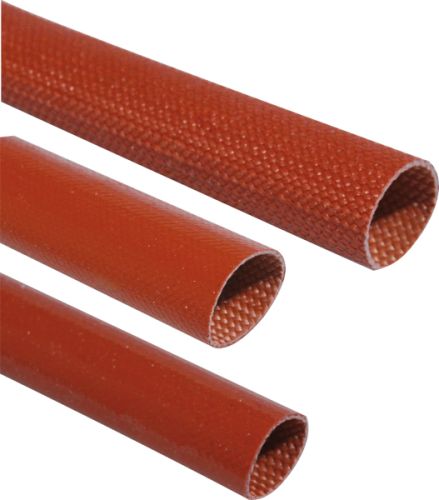
Ses-Sterling 06370504007 HT-S 1.5 kV4 RD
| Lieske Part No. | 808200 |
|---|---|
| Mfg Part No | 06370504007 |
| EAN-Code | 3597471294054 |
| Manufacturer | Ses-Sterling |
| Here only | 69,49 EUR
82,69 EUR incl. VAT
|
Further information for Ses-Sterling 06370504007 HT-S 1.5 kV4 RD
| General | |
| Colour | Red |
Applications
The HT-S 1.5 Kv4 braided sleeve is suitable for use in industrial, commercial, and electrical trade applications. It is frequently used for cable installation in machines, systems, enclosures, or during the installation of control and automation technology. Its use in environments with increased mechanical stress, such as vibrations or movements, is possible due to the structured braided texture. The red color enables easy visual differentiation from other cables or sleeves, which is beneficial for maintenance and servicing.
Functions and Equipment in Detail
The sleeve is made of a braided material that offers high flexibility and sufficient mechanical stability. The braided structure ensures that it can be easily wrapped around cables or wiring while providing protective functionality. The red color is consistently distributed along the entire length of the sleeve, ensuring uniform identification. The packaging unit is 200 meters, enabling efficient processing and storage. The weight is 5.5 grams per meter, indicating a lightweight yet robust material.
Technology Explained Simply
The HT-S 1.5 Kv4 braided sleeve is made from a synthetic fiber material designed for resistance against mechanical stress and thermal influences. The designation HT-S" indicates high-temperature resistance, meaning the sleeve maintains its shape and function even at elevated temperatures. The braided construction allows for high flexibility, enabling it to be easily wrapped around cables without damaging them. The specific designation "1.5 Kv4 refers to technical parameters defining processing characteristics and mechanical strength. The red color is not only visually striking but also serves as a visual identifier to distinguish specific cables or systems in plant construction.
Compatibility and Accessories
The braided sleeve is universally applicable and can be combined with various cable types and wiring. It is particularly suitable for cables with a diameter within the processing range of the sleeve. Its use in combination with other protective or guiding elements, such as cable ties or protective conduits, is possible to achieve additional stabilization or protection. The 200-meter packaging unit enables economical use, especially in larger installations.
Installation and Mounting
Mounting the braided sleeve is done by simply wrapping it around the cables or wiring. Due to the material's flexibility, it can be installed without tools or additional aids. The use of cable ties or other fastening elements is optional, depending on stability requirements. Installation typically occurs during cable routing, with the sleeve being directly slipped onto the wiring. The red color facilitates identification during installation and during subsequent maintenance work.
Operational Advantages
The HT-S 1.5 Kv4 braided sleeve provides reliable protection for cables and wiring. Its mechanical stability protects against damage from vibrations, movements, or external influences. Thermal resistance ensures long-term functionality even in environments with elevated temperatures. The red color enables easy visual identification, simplifying maintenance and servicing. The 200-meter packaging unit offers economical use, especially in larger projects. The low weight of 5.5 g per meter reduces handling and processing effort.

This is an offer of:
79279 Vörstetten
https://industry-electronics.com
Tel. 07666/88499-0
Fax. 07666/88499-111
Diesen Artikel finden Sie unter:
industry-electronics.com/artikel/808200

Lieske Elektronik e.K.
Reutener Str. 1079279 Vörstetten
https://industry-electronics.com
Tel. 07666/88499-0
Fax. 07666/88499-111
Diesen Artikel finden Sie unter:
industry-electronics.com/artikel/808200