
Ses-Sterling 06360428000 CE-MT PG36
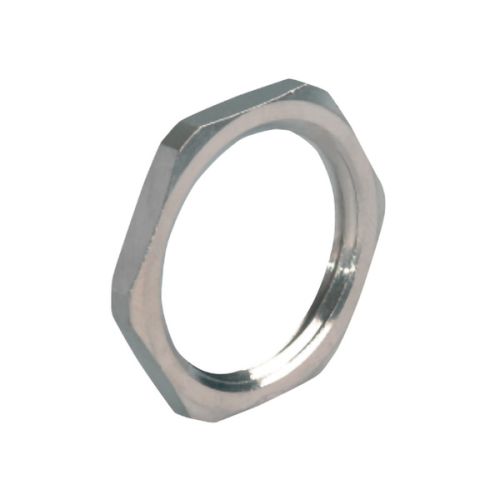
Ses-Sterling 06360428000 CE-MT PG36
| Lieske Part No. | 808041 |
|---|---|
| Mfg Part No | 06360428000 |
| EAN-Code | 3597471294733 |
| Manufacturer | Ses-Sterling |
| Here only | 39,92 EUR
47,50 EUR incl. VAT
|
Further information for Ses-Sterling 06360428000 CE-MT PG36
| General | |
| Colour | Minimum quantity |
Cable gland is the central application for which this locknut was developed. It is used in combination with cable glands to ensure mechanical strength and electrical insulation. The locknut ensures that the gland is properly seated and prevents loosening, which is particularly important under vibration or mechanical stress. Use in switchgear and distributors requires high mechanical stability, which is supported by the locknut.
PG36 is the nominal insertion diameter that defines the fit of the locknut. This value is critical for compatibility with other components in the system, especially cable glands that also conform to the PG36 standard. The locknut is therefore a standard component used in electrical installations with this insertion diameter. The fit ensures a secure and tight connection that remains intact even after frequent assembly and disassembly.
Locknut is the technical term for the component that serves as a backing during screwing. It is typically mounted on the inner side of the enclosure to fix the screw of the cable gland. The locknut prevents the screw from loosening or being damaged due to mechanical stress. Its function is purely mechanical and serves to ensure the stability of the entire connection.
Protection is an essential aspect when using cable glands, especially in industrial or outdoor applications. The locknut contributes to mechanical stability, which indirectly supports the protection of the electrical connection. Although the locknut itself does not provide protective functions such as IP rating or moisture protection, it is an integral part of a system that can achieve such protection when combined with suitable cable glands.
The locknut is supplied in a package containing 25 pieces. The package weight is 0.535 kg, with each individual component weighing 21.4 g. The packaging is designed for use in specialist trade and for storage in workshops or installation companies. The indication of quantity and weight enables easy inventory management and planning of material requirements.
This is common in technical descriptions when color has no functional significance and varies only for production or storage reasons.
The locknut is designed for use in electrical installations, particularly in switchgear, distributors, and other enclosures where cable glands are mounted. Installation is done by simply screwing it into the enclosure, with the locknut fixing the inner side of the gland. The process requires no special tools, only a screwdriver or suitable pliers to secure the screw of the cable gland.
Compatibility of the locknut is limited to cable glands with the insertion diameter PG36. Use is exclusively in the context of cable glands that meet the PG36 standard.
Applications include primarily electrical installation technology, especially in industrial plants, distributors, switchgear, and other electrical enclosures where a secure and stable cable gland is required. The locknut is a standard component used in many installations to ensure the mechanical strength of the connection.
Functions and equipment in detail refer to the mechanical stability achieved by the locknut. It prevents the screw of the cable gland from loosening and ensures a secure fastening. The design is simple and functional, without additional technical features such as electrical conductivity or special coatings. The locknut is made of a metallic material suitable for mechanical stress.
Technology explained simply means that the locknut is a passive mechanical component that does not perform any electrical function, but exclusively supports the mechanical stability of the gland. The technology is based on the principle of backing, where the locknut fixes the screw of the cable gland to ensure a secure connection.
Compatibility and accessories are limited to cable glands with PG36 insertion diameter. Use is exclusively in the context of cable glands that meet the PG36 standard.
Installation and mounting is done by simply screwing it into the enclosure, with the locknut fixing the inner side of the gland. The process requires no special tools, only a screwdriver or suitable pliers. Installation is straightforward and typically performed during the mounting of the cable gland.
Operational advantages lie in mechanical stability and the prevention of loosening, which could lead to malfunctions or damage. The locknut ensures that the cable gland remains stable even under vibration or mechanical stress. This is particularly important in industrial applications where high reliability is required.

This is an offer of:
79279 Vörstetten
https://industry-electronics.com
Tel. 07666/88499-0
Fax. 07666/88499-111
Diesen Artikel finden Sie unter:
industry-electronics.com/artikel/808041

Lieske Elektronik e.K.
Reutener Str. 1079279 Vörstetten
https://industry-electronics.com
Tel. 07666/88499-0
Fax. 07666/88499-111
Diesen Artikel finden Sie unter:
industry-electronics.com/artikel/808041