
Ses-Sterling 06360425000 CE-MT PG16
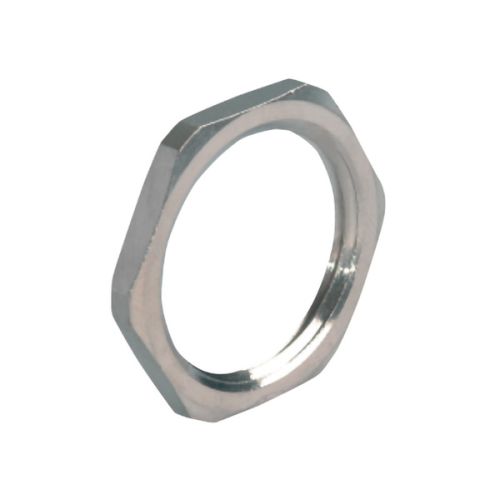
Ses-Sterling 06360425000 CE-MT PG16
| Lieske Part No. | 808034 |
|---|---|
| Mfg Part No | 06360425000 |
| EAN-Code | 3597471294702 |
| Manufacturer | Ses-Sterling |
| Here only | 42,07 EUR
50,06 EUR incl. VAT
|
Further information for Ses-Sterling 06360425000 CE-MT PG16
| General | |
| Colour | Minimum quantity |
Cable gland is the primary application area for this lock nut. It is used in electrical and automation technology where a reliable and tight connection between cable and housing is required. The lock nut is used in conjunction with cable glands of PG16 size to stabilize the screw connection and ensure secure fastening. This is particularly important in systems exposed to mechanical stress, vibrations, or environmental conditions such as moisture.
Lock nut is the technical term for this component. It is mounted on the inner side of the housing and serves as a backing for the screw of the cable gland. This not only mechanically stabilizes the screw connection but also protects against loosening due to vibrations. The lock nut is made of a metallic material suitable for industrial applications.
The CE-MT PG16 lock nut is available in a packaging unit of 100 pieces. The packaging weight is 0.52 kg, with each individual component weighing 5.2 g. These specifications are relevant for storage, transportation, and material planning in production or assembly. The packaging unit enables efficient handling and distribution in industrial environments.
PG16 is the standard designation for the thread diameter intended for use with corresponding cable glands. This value is critical for precise fit and secure installation. The lock nut is specifically designed for cable glands with this thread diameter to ensure optimal functionality. Using a matching lock nut is necessary to guarantee the functionality and safety of the entire cable entry.
The lock nut is typically used in combination with cable glands that also carry the PG16 designation. This ensures correct fit and a secure connection. Installation is done by screwing it onto the inner side of the housing, where the lock nut supports the screw of the cable gland against the housing wall. This prevents the screw from being threaded into the housing material and ensures even distribution of force.
Protection is a central feature supported by using this lock nut. The cable gland, with which the lock nut is combined, provides mechanical and electrical insulation as well as sealing of cables. The lock nut contributes to increasing the mechanical stability of the connection, which is especially important in environments with vibrations or mechanical stress. Using the lock nut is thus part of the overall protection measures in electrical systems.
The CE-MT PG16 lock nut is a standardized component widely used in industrial electrical and automation technology. Its use is part of standard installation practice when mounting cable glands. The reference to color as minimum quantity relates to the packaging unit and means that the lock nut is supplied in a quantity of 100 pieces without a specific color designation.
Installation is done by simply screwing it onto the inner side of the housing, where the lock nut supports the screw of the cable gland. This is a standard procedure routinely applied in electrical installations. The lock nut is not designed for independent function but serves exclusively as a supplement to cable glands to secure their installation.
Applications include primarily electrical and automation technology, where cable entries in enclosures, controls, or other closed housings are required. The lock nut is used in systems exposed to high mechanical stress, vibrations, or environmental conditions such as moisture. Its use is part of standard installation practice in industrial electrical technology.
The lock nut is a passive component that does not perform any electrical function but acts purely mechanically. Its function is to stabilize the screw connection and prevent the screw from being threaded into the housing material. This contributes to the longevity and safety of the entire installation. Its use is indispensable in practice to ensure a reliable and tight connection.
Compatibility and accessories refer to use with cable glands of PG16 size. The lock nut is specifically designed for this standard and must be combined with corresponding cable glands to ensure functionality. Use is exclusively in conjunction with cable glands meeting the PG16 standard.
The lock nut is supplied in a packaging unit of 100 pieces. The packaging is designed for industrial use and enables efficient storage and distribution. Weight specifications for the packaging and individual pieces are relevant for logistics and planning. The lock nut is not a standalone product but a supplementary component used in conjunction with cable glands.
Operational advantages lie in the mechanical stability and safety of the connection. The lock nut prevents the screw from being threaded into the housing material and ensures even force distribution. This increases the lifespan of the installation and reduces the risk of malfunctions due to loose connections. Its use is part of standard practice in industrial electrical installations and is routinely applied.
The CE-MT PG16 lock nut is a robust and reliable component that makes an important contribution to safety and functionality of cable entries in industrial electrical technology. Its use is indispensable to ensure a stable and tight connection. Packaging and weight specifications are relevant for logistics and planning, while technical features define its function and application area.
Technical explanation refers to the mechanical function of the lock nut. It serves as a backing for the screw of the cable gland, ensuring the screw is not threaded into the housing material. This prevents damage to the housing and ensures even force distribution. The lock nut is a simple but important component that increases the reliability of the entire installation.
Installation is done by simply screwing it onto the inner side of the housing. The lock nut is positioned to support the screw of the cable gland. This is a standard procedure routinely applied in electrical installations. The lock nut is not a standalone product but a supplementary component used in conjunction with cable glands.
Functions and features in detail include mechanical stabilization of the screw connection, prevention of screw threading into the housing material, and even force distribution. The lock nut is made of a metallic material suitable for industrial applications. Its use is part of standard installation practice in industrial electrical technology.
The lock nut is available in a packaging unit of 100 pieces. The packaging is designed for industrial use and enables efficient storage and distribution. Weight specifications for the packaging and individual pieces are relevant for logistics and planning. The lock nut is not a standalone product but a supplementary component used in conjunction with cable glands.
Installation and mounting are done by simply screwing it onto the inner side of the housing. The lock nut is positioned to support the screw of the cable gland. This is a standard procedure routinely applied in electrical installations. The lock nut is not a standalone product but a supplementary component used in conjunction with cable glands.
The CE-MT PG16 lock nut is a robust and reliable component that makes an important contribution to safety and functionality of cable entries in industrial electrical technology. Its use is indispensable to ensure a stable and tight connection. Packaging and weight specifications are relevant for logistics and planning, while technical features define its function and application area.

This is an offer of:
79279 Vörstetten
https://industry-electronics.com
Tel. 07666/88499-0
Fax. 07666/88499-111
Diesen Artikel finden Sie unter:
industry-electronics.com/artikel/808034

Lieske Elektronik e.K.
Reutener Str. 1079279 Vörstetten
https://industry-electronics.com
Tel. 07666/88499-0
Fax. 07666/88499-111
Diesen Artikel finden Sie unter:
industry-electronics.com/artikel/808034