
Ses-Sterling 06360026013 Plio CE M50 GY
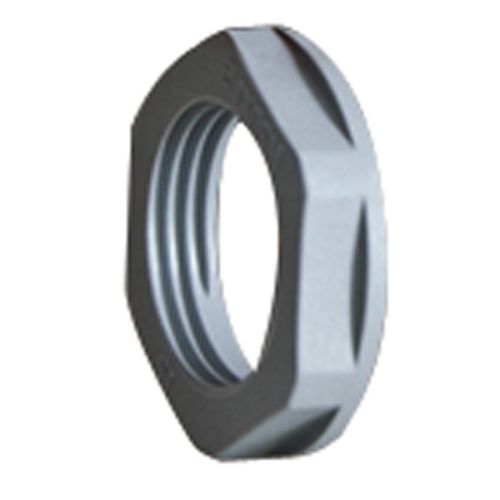
Ses-Sterling 06360026013 Plio CE M50 GY
| Lieske Part No. | 807847 |
|---|---|
| Mfg Part No | 06360026013 |
| EAN-Code | 3597470391648 |
| Manufacturer | Ses-Sterling |
| Here only | 5,99 EUR
7,13 EUR incl. VAT
|
Further information for Ses-Sterling 06360026013 Plio CE M50 GY
| General | |
| Colour | Grey |
Cable gland is a central term in electrical installations, as it enables the secure and watertight routing of cables through enclosure walls. The Plio CE M50 lock nut functions as a backing nut, working together with the gland to generate the necessary tension to hold the cable firmly and prevent mechanical stress. The use of a lock nut is particularly common with larger gland sizes such as M50, to ensure even force distribution and a secure connection.
Lock nut is the technical component mounted on the opposite side of the gland to stabilise the screw connection. The Plio CE M50 is a robust, grey lock nut specifically designed for use with Plio CE M50 cable glands. The grey colour is typical for industrial components and aids in visual differentiation from other system parts.
Technical design and materials are intended for use in industrial and technical environments. The lock nut is designed to allow even distribution of screw force, thereby reducing the risk of material fatigue or gland failure.
Applications include primarily electrical and IT installation technology, where cable glands are used to securely route cables through enclosure walls. The Plio CE M50 lock nut is an essential accessory that complements the gland and enhances the mechanical stability of the connection. It is commonly used in automation systems, machine building applications, or building automation technology, where a tight and load-bearing connection is required.
Compatibility and accessories refer to use with cable glands of type Plio CE M50. The lock nut is specifically designed for this gland type and ensures optimal fit and function. No specific standard or certification is mentioned, although use in cable glands is common, often fulfilling IP protection ratings such as IP67 to enable dust- and watertight connections. The lock nut itself does not carry a specific protection rating, as it functions as an auxiliary component.
Installation and mounting typically involve simply screwing the lock nut onto the opposite side of the cable gland, with the screw connection tightened using an appropriate tool. Installation requires no special tools or additional components, as the lock nut is designed as standard accessory for the gland. The packaging contains 10 pieces, sufficient for small to medium installations.
Operational benefits include increased mechanical stability and extended service life of the gland. Even distribution of screw force reduces the risk of material fatigue or gland failure. The lock nut thus contributes to the reliability and safety of the entire installation, particularly in environments with high mechanical loads.
The Plio CE M50 lock nut is an integral part of cable gland technology and is used in practice as essential accessory for the secure mounting of glands. Its grey colour and robust design make it a reliable component for industrial applications.
Weight is 13.1 g per piece, indicating a compact and lightweight construction that still provides the required strength. The packaging weight is 0.131 kg, corresponding to the total weight of 10 pieces. These values are relevant for logistics and storage, but not decisive for the product’s functionality.
EAN is 3597470391648, serving for unique product identification. The manufacturer’s number is 06360026013, used for internal administration and ordering processes.
The Plio CE M50 lock nut is thus a specific, robust component used in electrical and IT technology for the secure fastening of cable glands. Its function is clearly defined, and it reliably fulfils its role in practice.

This is an offer of:
79279 Vörstetten
https://industry-electronics.com
Tel. 07666/88499-0
Fax. 07666/88499-111
Diesen Artikel finden Sie unter:
industry-electronics.com/artikel/807847

Lieske Elektronik e.K.
Reutener Str. 1079279 Vörstetten
https://industry-electronics.com
Tel. 07666/88499-0
Fax. 07666/88499-111
Diesen Artikel finden Sie unter:
industry-electronics.com/artikel/807847