
Ses-Sterling 06360009013 Plio CE PG 42 GY
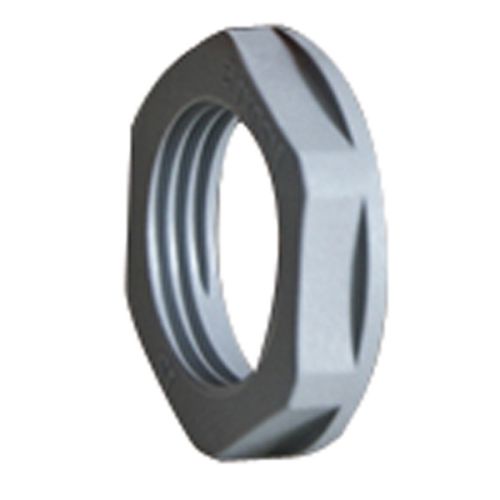
Ses-Sterling 06360009013 Plio CE PG 42 GY
| Lieske Part No. | 807817 |
|---|---|
| Mfg Part No | 06360009013 |
| EAN-Code | 3597470208335 |
| Manufacturer | Ses-Sterling |
| Here only | 5,99 EUR
7,13 EUR incl. VAT
|
Further information for Ses-Sterling 06360009013 Plio CE PG 42 GY
| General | |
| Colour | Grey |
Cable gland is the central application for which this locknut was developed. It is used in conjunction with cable glands of type Plio CE PG 42 to ensure a mechanically stable and electrically secure connection. The locknut ensures that the gland does not rotate when tightened, allowing the cable seal to sit correctly. This is particularly important during installation in enclosed housings, where a tight and vibration-resistant fixation is required.
PG 42 denotes the standard and fit specification for the cable gland, defining the external thread size and fit for cables with a diameter of up to 42 mm. The locknut is specifically designed for this standard and ensures precise installation without play or misalignment. The use of locknuts is common in electrical installation technology to enhance the durability and safety of the connection.
Grey is the colour of the locknut, matching the colour scheme of many industrial and electrical enclosures. The colour is not only aesthetic but also functional, as it improves visibility during installation and maintenance. The surface is smooth and shows no visible damage, indicating robust manufacturing.
The locknut is supplied in a pack of five individual pieces. This quantity is typical for use in trade and industrial assembly, where multiple glands are installed simultaneously. The packaging is designed to protect the individual components from contamination and damage until use.
Applications include electrical installation in industry, commerce, and residential construction. The locknut is particularly used in systems with high requirements for mechanical stability and electrical safety. It is suitable for use in enclosures, distribution boxes, control systems, and other electrical housings where cable glands are mounted.
Functions and features in detail include the precise fit for the PG 42 gland, the thread design ensuring secure fastening, and the material selection providing high mechanical strength and corrosion resistance. The locknut is designed to show no wear under normal operating conditions and to remain stable over a long period.
Technology explained simply means that the locknut functions as a mechanical auxiliary component that fixes the gland during tightening. Without a locknut, the gland could rotate during tightening, leading to insufficient sealing and an insecure connection. The locknut thus ensures even distribution of tightening force and prevents the gland from rotating.
Compatibility and accessories refer to use with cable glands of type Plio CE PG 42. These glands are typically designed for use in electrical enclosures with IP protection ratings, while the locknut itself does not have an IP classification but serves as an auxiliary component. The combination with the gland enables a tight and secure cable fixation that meets the requirements of electrical installation technology.
The locknut is supplied in a pack of five individual pieces. This quantity is typical for use in trade and industrial assembly, where multiple glands are installed simultaneously. The packaging is designed to protect the individual components from contamination and damage until use.
Installation and mounting are carried out by simply screwing the locknut into the thread of the cable gland, with the gland already installed in the enclosure. The locknut is then tightened using a screwdriver or suitable tool until the gland is securely fixed and the cable seal sits correctly. Over-tightening should be avoided to prevent damage to the gland or enclosure.
Operational advantages lie in the increased safety and stability of the cable connection. The locknut prevents rotation of the gland and ensures even distribution of tightening force. This leads to a longer service life of the gland and reduced maintenance frequency. The simple installation and high reliability make the locknut an indispensable component in electrical installation technology.

This is an offer of:
79279 Vörstetten
https://industry-electronics.com
Tel. 07666/88499-0
Fax. 07666/88499-111
Diesen Artikel finden Sie unter:
industry-electronics.com/artikel/807817

Lieske Elektronik e.K.
Reutener Str. 1079279 Vörstetten
https://industry-electronics.com
Tel. 07666/88499-0
Fax. 07666/88499-111
Diesen Artikel finden Sie unter:
industry-electronics.com/artikel/807817