
Ses-Sterling 03320002004- HELAVIA LASER-ONE 1 YE
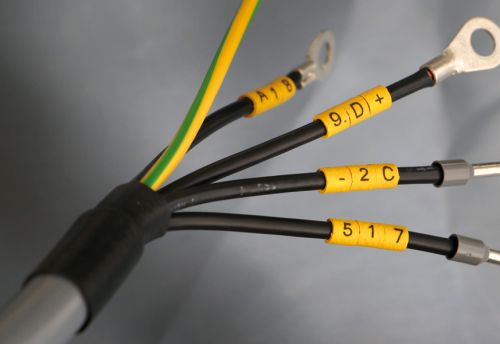
Ses-Sterling 03320002004- HELAVIA LASER-ONE 1 YE
| Lieske Part No. | 793265 |
|---|---|
| Mfg Part No | 03320002004- |
| EAN-Code | 3597470882245 |
| Manufacturer | Ses-Sterling |
| Here only | 3,52 EUR
4,19 EUR incl. VAT
|
Further information for Ses-Sterling 03320002004- HELAVIA LASER-ONE 1 YE
| General | |
| Colour | Yellow |
Identification rings made of rubber are flexible and can be easily placed around cables or lines. The material properties ensure good durability and resistance to mechanical stresses that may occur during daily operation. The rings are not intended for marking with characters or symbols, but are exclusively used for colour coding. They can be used without additional tools or aids, as they can simply be slid over the line.
Rubber as a material provides sufficient elasticity to adapt to different cable diameters without damaging the line. The yellow colour remains stable under normal operating conditions, with no discoloration or wear described.
Cable marking is an essential part of documentation and maintenance of electrical systems. The use of coloured identification rings supports quick identification of lines, especially in complex systems with many parallel connections. The rings can be used in combination with other marking methods, such as labels or colour coding, to ensure unambiguous assignment.
The packaging contains 100 pieces, with each ring weighing 0.025 g. The total packaging weight is 0.003 kg. The rings are not equipped with additional components such as text markings, labels or tools. They are used exclusively as colour marking without any further functions.
Applications include electrical installations, IT infrastructure, industrial automation and building automation. In these areas, clear and unambiguous marking of cables and lines is required to avoid errors during installation, maintenance or repair. The rings are not specified for use in explosive environments or in areas with high temperatures, as no corresponding approvals or standards are mentioned.
The compatibility with various cable diameters is ensured, as the rings are made of elastic rubber. They are used without additional mounting aids, simply being slid over the line. No further accessories or alternatives are mentioned that can be combined with the identification rings.
Mounting and installation are carried out without tools. The rings are manually slid over the cables and fit securely due to their elastic shape. No special mounting instructions are required, as handling is intuitive.
Operational advantages include easy handling, clear visual marking and high availability in standard colours. The rings enable quick identification of lines, making maintenance and fault finding more efficient. The use of yellow as a marking colour is established in many industries, especially in electrical and IT technology, where colours are used to systematise lines.
The rings are not intended for marking with text or symbols, but are exclusively used for colour coding. They can be used without additional tools or aids, as they can simply be slid over the line.
Rubber as a material provides sufficient elasticity to adapt to different cable diameters without damaging the line. The yellow colour remains stable under normal operating conditions, with no discoloration or wear described.
Cable marking is an essential part of documentation and maintenance of electrical systems. The use of coloured identification rings supports quick identification of lines, especially in complex systems with many parallel connections. The rings can be used in combination with other marking methods, such as labels or colour coding, to ensure unambiguous assignment.
The packaging contains 100 pieces, with each ring weighing 0.025 g. The total packaging weight is 0.003 kg. The rings are not equipped with additional components such as text markings, labels or tools. They are used exclusively as colour marking without any further functions.
Applications include electrical installations, IT infrastructure, industrial automation and building automation. In these areas, clear and unambiguous marking of cables and lines is required to avoid errors during installation, maintenance or repair. The rings are not specified for use in explosive environments or in areas with high temperatures, as no corresponding approvals or standards are mentioned.
The compatibility with various cable diameters is ensured, as the rings are made of elastic rubber. They are used without additional mounting aids, simply being slid over the line. No further accessories or alternatives are mentioned that can be combined with the identification rings.
Mounting and installation are carried out without tools. The rings are manually slid over the cables and fit securely due to their elastic shape. No special mounting instructions are required, as handling is intuitive.
Operational advantages include easy handling, clear visual marking and high availability in standard colours. The rings enable quick identification of lines, making maintenance and fault finding more efficient. The use of yellow as a marking colour is established in many industries, especially in electrical and IT technology, where colours are used to systematise lines.

This is an offer of:
79279 Vörstetten
https://industry-electronics.com
Tel. 07666/88499-0
Fax. 07666/88499-111
Diesen Artikel finden Sie unter:
industry-electronics.com/artikel/793265

Lieske Elektronik e.K.
Reutener Str. 1079279 Vörstetten
https://industry-electronics.com
Tel. 07666/88499-0
Fax. 07666/88499-111
Diesen Artikel finden Sie unter:
industry-electronics.com/artikel/793265