
Ses-Sterling 02580353010 Helavia DG 13,5 black membrane sleeve
Installation > Conduits / Cable Glands > Rubber bushings / grommets
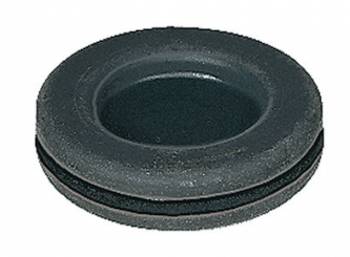
Ses-Sterling 02580353010 Helavia DG 13,5 black membrane sleeve
| Lieske Part No. | 458049 |
|---|---|
| Mfg Part No | 02580353010 |
| EAN-Code | 3597470020296 |
| Manufacturer | Ses-Sterling |
| Here only | 33,75 EUR
40,16 EUR incl. VAT
|
Further information for Ses-Sterling 02580353010 Helavia DG 13,5 black membrane sleeve
| General | |
| Colour | Black |
Applications
The Helavia DG 13.5 membrane glands are used in industrial electrical installations, machine building, and building and plant automation. They are particularly suitable for environments where tight cable guidance is required to keep dust, moisture, or small particles away from electrical components. Due to the material polychloroprene rubber (PCP), they are resistant to many chemical influences and exhibit good weather resistance, making them suitable for outdoor use as well. The glands are designed for cable diameters up to 13.5 mm, with the exact fit ensured by the elastic structure of the rubber.
Functions and Features in Detail
The Helavia DG 13.5 membrane glands are designed as rubber glands that, due to their elastic shape, provide secure and tight cable encasement. The shape ensures that the cable is easily guided during insertion and then securely seated inside the gland, providing mechanical protection against tensile and bending stresses. The rubber surface is smooth, allowing for friction-free cable insertion. The black color is standard and meets common industrial requirements, where uniform color coding aids in better identification and assignment.
Technical Explanation
The glands are made of polychloroprene rubber, a synthetic elastomer known for its high flexibility, weather resistance, and chemical resistance. These properties make the material particularly suitable for use in technical installations, where the glands are subjected to stress over long periods. The elastic structure of the rubber allows for an adaptable fit to different cable diameters within the specified range. The glands are not designed for power supply via the cable (e.g., PoE), but are purely mechanical and protective in function. The sealing effect is achieved through the elastic encasement of the cable, providing continuous protection against environmental media.
Compatibility and Accessories
The Helavia DG 13.5 membrane glands are designed as individual components for cable penetration and can be combined with various enclosures, control panels, or machine cabinets that have a corresponding hole or penetration. They are not specifically designed for a particular accessory or brand, but can be used universally as long as the hole size and cable diameter profile match. Installation requires no additional tools or mounting aids; the glands are simply inserted into the designated opening and the cable is pulled through.
Installation and Mounting
Mounting of the Helavia DG 13.5 membrane glands is done by simply inserting them into the designated hole in the enclosure or wall. The elastic shape of the rubber ensures that the gland automatically adapts to the hole and provides a secure fit. The cable is then pulled through the gland, with the elastic encasement creating a tight seal. No additional fastening or adhesive is required. Installation is tool-free and therefore quick and easy to perform. The glands are designed for single-use mounting and are not intended for repeated insertion and removal.
Operational Advantages
The Helavia DG 13.5 membrane glands provide reliable and tight cable guidance, protecting against mechanical damage and environmental influences. The use of polychloroprene rubber ensures long service life and high resistance to weathering and chemical substances. The simple installation and universal applicability make them a practical component in electrical and installation technology. The pack of 100 pieces enables economical procurement for larger projects or series installations. The black color supports visual harmonization in technical installations and facilitates component identification.

This is an offer of:
79279 Vörstetten
https://industry-electronics.com
Tel. 07666/88499-0
Fax. 07666/88499-111
Diesen Artikel finden Sie unter:
industry-electronics.com/artikel/458049

Lieske Elektronik e.K.
Reutener Str. 1079279 Vörstetten
https://industry-electronics.com
Tel. 07666/88499-0
Fax. 07666/88499-111
Diesen Artikel finden Sie unter:
industry-electronics.com/artikel/458049