
Ses-Sterling 02520370010 DA 250/470/20 BK
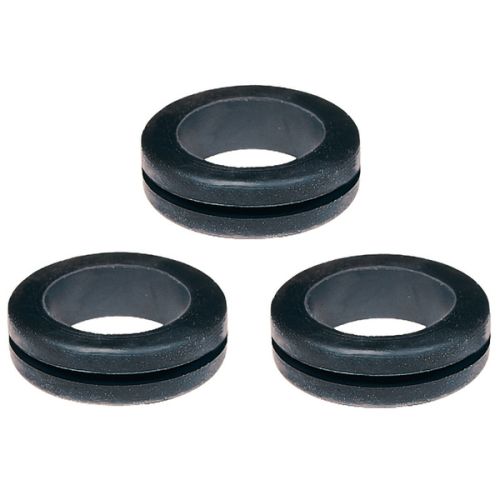
Ses-Sterling 02520370010 DA 250/470/20 BK
| Lieske Part No. | 784418 |
|---|---|
| Mfg Part No | 02520370010 |
| EAN-Code | 3597471300441 |
| Manufacturer | Ses-Sterling |
| Here only | 108,20 EUR
128,76 EUR incl. VAT
|
Further information for Ses-Sterling 02520370010 DA 250/470/20 BK
| General | |
| Colour | Black |
Cable glands are commonly used in electrical and IT installation technology to safely and orderly route cables through components without damaging the insulation. The use of polychloroprene rubber as the material ensures high mechanical strength, weather resistance, and good elasticity, making the glands reliable even under challenging environmental conditions. The material is also resistant to many chemicals and offers high ageing resistance, extending the service life of the glands.
Applications include primarily electrical installations in buildings, industrial plants, and in utility and waste management technology, where secure and durable cable passage is required. The glands are suitable for indoor and outdoor use, as the material is resistant to UV radiation and weather influences. The dimensions allow for the passage of multiple cables or larger conduits simultaneously, making them suitable for more complex installations.
Functions and features in detail include an exact fit for the intended passages, ensuring a secure and tight connection. The wall thickness of 20 mm provides sufficient stability to withstand mechanical loads such as pressure or tension. The glands are not designed for electrical insulation purposes but primarily serve mechanical protection and cable routing organisation. The black colour is standard and meets the requirements for unobtrusive, industrially applicable components.
Technology explained simply means that the glands are made of an elastic yet robust rubber material that can be easily inserted into the designated holes or openings. The shape is cylindrical, with the inner diameter larger than the outer diameter, ensuring a secure fit. The material selection ensures that the glands retain their shape and function even at temperatures encountered in industrial applications. The use of polychloroprene rubber is common in the electrical and mechanical engineering industries, as it offers an excellent combination of flexibility and strength.
Compatibility and accessories refer to use in conjunction with other shaped parts and protection components from the HELAVIA product group by Ses-Sterling. The glands can be used in combination with other protective parts, such as cable protection conduits or cable glands, to ensure complete and secure cable routing. There are no specific accessories directly associated with this gland, but integration into a system of various HELAVIA components is possible.
Installation and mounting are carried out by simply inserting the gland into the designated opening. The elastic nature of the material allows for a secure and tight fit without additional fastening elements. No special tools are required, as the glands can be inserted by hand or with simple tools such as a rubber mallet. Mounting is typically done before cable laying to ensure optimal positioning.
“Operational advantages” include easy handling, high material durability, and long service life. The glands require no maintenance and retain their functionality over a long period. The use of polychloroprene rubber ensures reliable performance even under difficult conditions, enhancing operational safety. The standardised shape and precise fit simplify planning and execution of installations.
The glands are supplied in a package containing 50 pieces, with a weight of 28.4 g per piece. The total package weight is 1.42 kg. The EAN number is 3597471300441. The black colour is standard and meets the requirements for industrial components.

This is an offer of:
79279 Vörstetten
https://industry-electronics.com
Tel. 07666/88499-0
Fax. 07666/88499-111
Diesen Artikel finden Sie unter:
industry-electronics.com/artikel/784418

Lieske Elektronik e.K.
Reutener Str. 1079279 Vörstetten
https://industry-electronics.com
Tel. 07666/88499-0
Fax. 07666/88499-111
Diesen Artikel finden Sie unter:
industry-electronics.com/artikel/784418