
Ses-Sterling 02520171010 DA 50/90/10 BK
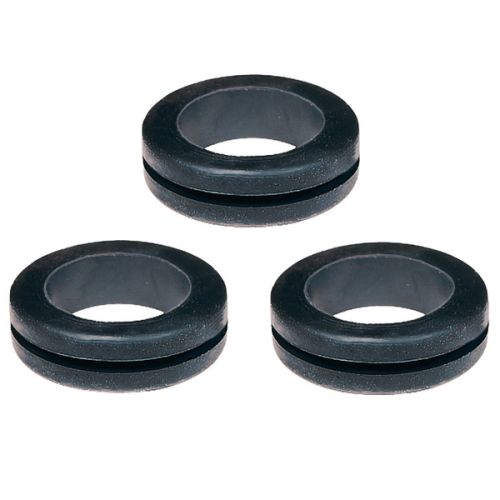
Ses-Sterling 02520171010 DA 50/90/10 BK
| Lieske Part No. | 784310 |
|---|---|
| Mfg Part No | 02520171010 |
| EAN-Code | 3597470018347 |
| Manufacturer | Ses-Sterling |
| Here only | 22,08 EUR
26,28 EUR incl. VAT
|
Further information for Ses-Sterling 02520171010 DA 50/90/10 BK
| General | |
| Colour | Black |
Cable glands are commonly used in the electrical and installation industry to maintain the integrity of protective housings, enclosures, or wall cladding, while simultaneously enabling flexible and mechanically stable guidance of lines. The material base of polychloroprene rubber offers good elasticity, weather resistance, and chemical resistance, making the glands suitable for use in various environments. The color black ensures unobtrusive integration into technical installations, particularly in industrial or commercial facilities.
Applications include electrical installation, mounting of control and switch enclosures, and cabling in machine and plant engineering. The glands can be installed in wall or ceiling openings to guide cables or pipes securely and without mechanical damage. The dimensions 50/90/10 refer to the specific diameters and lengths intended for precise installation in pre-drilled holes or openings. The exact fit ensures a tight and smooth guidance, minimizing the risk of wear or mechanical stress on the guided lines.
Functions and features in detail include the mechanical stability of the material and its ability to retain shape under load. The glands are not designed for electrical insulation functions, but serve purely mechanical guidance and protection purposes. The use of polychloroprene rubber ensures high flexibility, allowing the glands to be easily inserted into the designated opening and securely fixed in place. The surface is smooth, facilitating cable insertion and minimizing friction.
Technology explained simply shows that the glands do not perform any electrical or thermal functions, but act purely mechanically. They are not designed as electrical insulators or thermal insulation, but serve mechanical guidance and protection. The choice of polychloroprene rubber is justified by its elasticity and resistance to mechanical stress as well as environmental influences such as moisture or UV light. The black color is a standard variant commonly used in technical installations to avoid visual interference.
Compatibility and accessories refers to use in combination with other shaped parts from the HELAVIA product group by Ses-Sterling. The glands are designed for installation in holes with a diameter of 50 mm, with a total length of 90 mm and an insertion length of 10 mm. They are not equipped with additional mounting accessories such as screws, clamps, or seals. The glands are used in conjunction with existing installation elements, without requiring additional components.
Installation and mounting is performed by simply inserting the glands into the designated hole. The elastic structure of the material enables a secure and tight fit without requiring additional fastening means. The glands are suitable for use in solid materials such as metal, plastic, or concrete, with the hole surface being smooth and clean to ensure optimal fit. Mounting is tool-free and therefore quick and easy to perform.
Operational advantages include easy handling, high mechanical stability, and long service life of the material. The glands are resistant to mechanical stress and environmental influences, ensuring reliable performance over a long period. The smooth surface reduces friction during cable insertion, speeding up installation and reducing the risk of damage. The pack of 100 pieces enables efficient storage and use in larger installations.

This is an offer of:
79279 Vörstetten
https://industry-electronics.com
Tel. 07666/88499-0
Fax. 07666/88499-111
Diesen Artikel finden Sie unter:
industry-electronics.com/artikel/784310

Lieske Elektronik e.K.
Reutener Str. 1079279 Vörstetten
https://industry-electronics.com
Tel. 07666/88499-0
Fax. 07666/88499-111
Diesen Artikel finden Sie unter:
industry-electronics.com/artikel/784310