
Ses-Sterling 02520096010 DA 150/220/10 BK
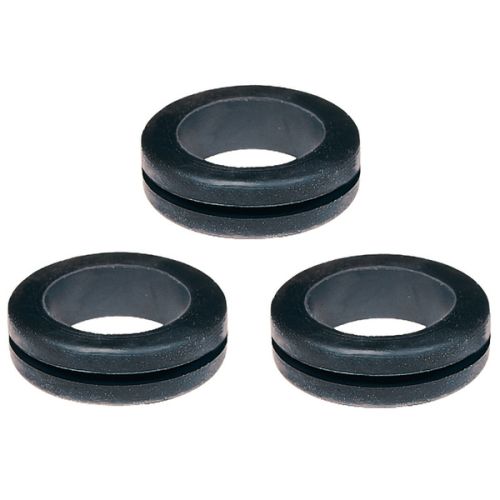
Ses-Sterling 02520096010 DA 150/220/10 BK
| Lieske Part No. | 784250 |
|---|---|
| Mfg Part No | 02520096010 |
| EAN-Code | 3597470017869 |
| Manufacturer | Ses-Sterling |
| Here only | 45,21 EUR
53,80 EUR incl. VAT
|
Further information for Ses-Sterling 02520096010 DA 150/220/10 BK
| General | |
| Colour | Black |
Cable glands are commonly used in the electrical and mechanical engineering industries to protect cable bundles or individual lines against mechanical stress, dust, and moisture. The use of polychloroprene rubber as the material ensures high elasticity, weather resistance, and chemical resistance, making the glands suitable for use in various environments. The material properties allow for a tight fit in the penetration opening and ensure secure guidance of the lines without damage.
Applications include industrial sectors such as machine building, plant engineering, and electrical installations, where reliable and durable cable guidance is required. The glands can be used in combination with other protective components, such as cable protection conduits or partition glands, to create a closed protective zone. The dimensions of 150 mm inner diameter and 220 mm outer diameter make them particularly suitable for larger cable bundles or multiple lines simultaneously.
Functions and equipment in detail include precise shaping, which enables even distribution of stress on the cables. The wall thickness of 10 mm provides sufficient stability to withstand mechanical forces such as pressure or tension. The glands are available in a packaging unit of 100 pieces, making them particularly cost-effective for large projects or series installations. The weight of a single part is 5.25 g, indicating a lightweight yet robust construction.
Technology explained simply shows that the glands, due to their elastic properties, provide a self-adjusting fit. This means they easily adapt to the shape of the penetration and ensure a tight seal. The material polychloroprene rubber is resistant to UV radiation, ozone, and many industrial chemicals, extending the service life of the glands in demanding environments. The black colour is not only aesthetically neutral but also practical, as it makes dirt and wear less visible.
Compatibility and accessories include use in conjunction with other protective components from the HELAVIA product group by Ses-Sterling. These may include cable protection conduits, glands, or other shaped parts depending on the application. The glands are not specifically designed for a particular standard or approval but serve as general protective components in technical installations. Installation requires no additional tools or mounting aids — the glands are simply inserted into the designated opening and adapt through their elasticity.
Installation and mounting is done by simply inserting the gland into the penetration opening. The elastic structure of the material ensures self-adjustment and creates a tight seal. No additional fastening or adhesive is required. The glands are designed for static applications where there is no continuous movement of cables or lines. Installation is quick and requires no special skills.
Operational advantages include long service life, easy handling, and high reliability. The glands protect cables from mechanical damage, dust, and moisture, increasing operational safety. The packaging unit of 100 pieces enables efficient storage and use in larger projects. The material quality ensures a long service life, reducing maintenance and replacement intervals.

This is an offer of:
79279 Vörstetten
https://industry-electronics.com
Tel. 07666/88499-0
Fax. 07666/88499-111
Diesen Artikel finden Sie unter:
industry-electronics.com/artikel/784250

Lieske Elektronik e.K.
Reutener Str. 1079279 Vörstetten
https://industry-electronics.com
Tel. 07666/88499-0
Fax. 07666/88499-111
Diesen Artikel finden Sie unter:
industry-electronics.com/artikel/784250