
Ses-Sterling 02520078010 DA 200/280/30 conduit bushing black
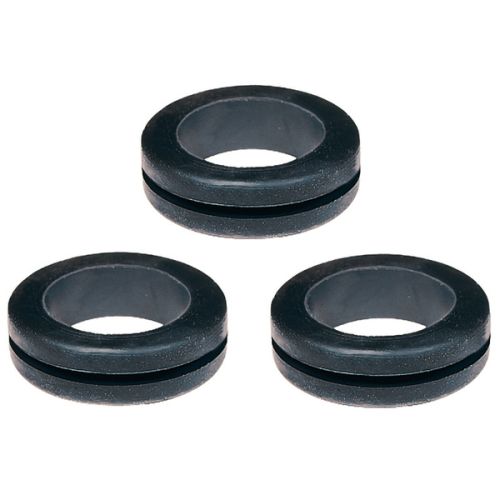
Ses-Sterling 02520078010 DA 200/280/30 conduit bushing black
| Lieske Part No. | 499404 |
|---|---|
| Mfg Part No | 02520078010 |
| EAN-Code | 3597470017692 |
| Manufacturer | Ses-Sterling |
| Here only | 36,71 EUR
43,68 EUR incl. VAT
|
Further information for Ses-Sterling 02520078010 DA 200/280/30 conduit bushing black
| General | |
| Colour | Black |
Cable glands are indispensable in electrical installations to protect cables and wires from mechanical damage, such as friction or pressure. They also prevent dust, moisture, or small particles from entering the installation, which extends the service life of the wires and increases safety. The glands are intended for indoor use, with the material polychloroprene rubber offering high resistance to environmental influences such as temperature fluctuations and humidity.
Functions and equipment in detail
The glands are designed as individual components to be inserted into a pre-drilled opening. The precise fit ensures secure and tight guidance of the cables. The material polychloroprene rubber is characterised by high elasticity and durability, enabling a long service life and reliable performance even under load. The glands are not intended for outdoor use, as no specific weather resistance or protection class such as IP67 is specified. The black colour is standard and meets common requirements in electrical installations.
Technology explained simply
The designation DA 200/280/30 describes the geometric dimensions: 200 mm inner diameter, 280 mm outer diameter, and 30 mm length. These dimensions are designed for precise installation in pre-drilled openings in walls or ceilings. Polychloroprene rubber is a synthetic rubber known for its elasticity, chemical resistance, and resistance to ageing. It allows flexible yet stable cable guidance without damaging the cables. The glands are not self-adhesive and require mechanical fastening, e.g. by pressing in or gluing with suitable adhesive, if necessary.
Compatibility and accessories
The glands are designed for use with cables and wires with a diameter of 200 mm. They are part of the HELAVIA profile parts product group made of polychloroprene rubber, developed for various installation scenarios in electrical and IT technology. The glands are supplied in a pack of 50 pieces, suitable for larger installations or projects requiring multiple penetrations.
Installation and mounting
Installation is carried out by inserting the glands into a correspondingly sized opening in the wall or ceiling. The precise fit ensures secure anchoring. No additional fastening is required, provided the opening has the exact dimensions. The glands are not intended for use in damp or wet environments, as no specific protection class is specified.
The glands are available in a pack of 50 pieces, which is advantageous for larger projects or series installations. The weight specification of 12.05 g per piece serves logistical planning purposes but is not relevant for the user during operation. The glands are not intended for use in explosive environments or areas with aggressive chemicals, as no corresponding approvals or resistance specifications are provided.
Advantages in operation
The glands provide reliable and durable guidance for cables and wires, reducing mechanical stress and extending the service life of the installation. The elastic structure of the polychloroprene rubber ensures flexible adaptation to slight movements in the wall or ceiling without impairing guidance. The black surface blends in with most technical installations and prevents visual disruption. The pack of 50 pieces enables efficient procurement for larger projects.

This is an offer of:
79279 Vörstetten
https://industry-electronics.com
Tel. 07666/88499-0
Fax. 07666/88499-111
Diesen Artikel finden Sie unter:
industry-electronics.com/artikel/499404

Lieske Elektronik e.K.
Reutener Str. 1079279 Vörstetten
https://industry-electronics.com
Tel. 07666/88499-0
Fax. 07666/88499-111
Diesen Artikel finden Sie unter:
industry-electronics.com/artikel/499404