
Ses-Sterling 01450032010 DK-TPE 7/14/18-3 BK
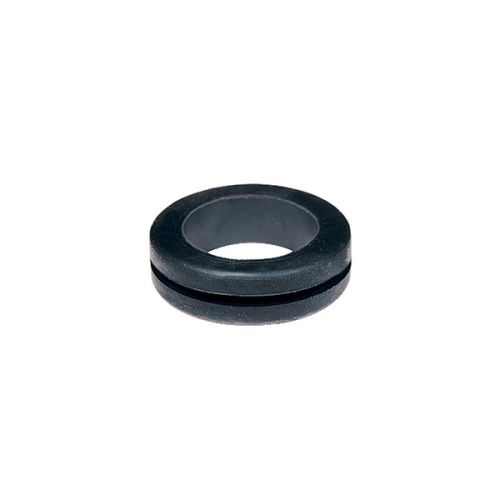
Ses-Sterling 01450032010 DK-TPE 7/14/18-3 BK
| Lieske Part No. | 781714 |
|---|---|
| Mfg Part No | 01450032010 |
| EAN-Code | 3597470007068 |
| Manufacturer | Ses-Sterling |
| Here only | 20,50 EUR
24,40 EUR incl. VAT
|
Further information for Ses-Sterling 01450032010 DK-TPE 7/14/18-3 BK
| General | |
| Colour | Black |
Applications
These cable glands are used in electrical and IT installations as well as in industrial electronics, where cables or wires must be routed through enclosure walls or other components. They protect cables from mechanical stress such as friction, pressure or abrasion, while preventing ingress of dust, moisture or small particles. The glands are particularly suitable for applications in machine construction, automation technology, enclosures or building automation, where tight and flexible cable guidance is required.
Functions and Equipment in Detail
The glands are made of TPE, a thermoplastic elastomer, which combines elastic and shape-stable properties. This enables a secure yet flexible fit for different cable diameters. The designation DK-TPE 7/14/18-3 refers to the three available hole sizes: 7 mm, 14 mm and 18 mm, with the number 3 indicating the number of holes per gland. Thus, the glands are suitable for multiple cables simultaneously, with each hole accommodating the diameter of the respective cable. The black colour is standard and supports unobtrusive integration into technical systems.
Technology Explained Simply
TPE materials are characterised by high flexibility combined with mechanical strength. They are resistant to UV radiation, ageing and many chemical influences, extending the service life of the glands in various environments. The elastic structure allows for a tight fit around the cables, ensuring a secure passage. The glands are not designed for use in extreme temperatures or under high mechanical loads, but for normal installation conditions in indoor and outdoor environments, provided environmental conditions remain within specified limits.
Compatibility and Accessories
The glands are universally applicable and compatible with a wide range of cables and wires, as long as their diameter falls within the specified hole sizes (7 mm, 14 mm, 18 mm). They can be used in combination with other protective and guiding elements, such as cable boots, heat-shrink tubing or protective conduits, to provide additional mechanical or electrical insulation. Use in enclosures, machines or control devices is standard.
Installation and Mounting
Mounting is done by simply inserting the gland into the pre-drilled hole in the enclosure or component. The elastic structure of the TPE material ensures the gland adapts to the hole, creating a tight but not overly tight connection. Cables are then routed through the respective holes. No additional fastening or tools are required. The glands are designed for manual installation and are suitable for both series and individual installations.
Operational Advantages
Using these glands reduces the risk of cable damage due to mechanical stress, friction or environmental influences. The tight guidance prevents ingress of dust, moisture or small particles, increasing the reliability of the electrical connection. The elastic structure ensures easy installation and removal without damaging the gland. The glands are suitable for use in various industries, including electrical installation, automation technology and building automation.
The packaging contains 100 pieces, with each individual gland weighing 1.33 g. The total package weight is 0.133 kg. The glands are black, enabling unobtrusive integration into technical systems. The designation DK-TPE 7/14/18-3 describes the three available hole sizes (7 mm, 14 mm, 18 mm) and the number of holes per gland (3). The glands are made of TPE, a thermoplastic elastomer known for its flexibility and shape stability. The glands are not designed for use in extreme environments, but for normal installation conditions in indoor and outdoor environments, provided environmental conditions remain within specified limits.

This is an offer of:
79279 Vörstetten
https://industry-electronics.com
Tel. 07666/88499-0
Fax. 07666/88499-111
Diesen Artikel finden Sie unter:
industry-electronics.com/artikel/781714

Lieske Elektronik e.K.
Reutener Str. 1079279 Vörstetten
https://industry-electronics.com
Tel. 07666/88499-0
Fax. 07666/88499-111
Diesen Artikel finden Sie unter:
industry-electronics.com/artikel/781714