
Ses-Sterling 01440080010 Plioprene DG-TPE 48 black
Installation > Conduits / Cable Glands > Rubber bushings / grommets
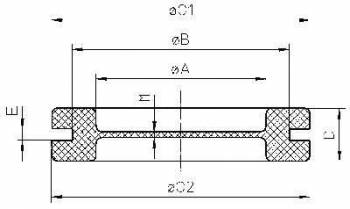
Ses-Sterling 01440080010 Plioprene DG-TPE 48 black
| Lieske Part No. | 453739 |
|---|---|
| Mfg Part No | 01440080010 |
| EAN-Code | 3597470006702 |
| Manufacturer | Ses-Sterling |
| Here only | 100,03 EUR
119,04 EUR incl. VAT
|
Further information for Ses-Sterling 01440080010 Plioprene DG-TPE 48 black
| General | |
| Colour | Black |
Membranetubes are commonly used in electrical installations to protect cable passages against dust, moisture, and mechanical stress. The designation DG-TPE 48 refers to the specific product line and nominal size, ensuring a precise fit for mounting in designated passages. The tubes are suitable for a wide range of installation scenarios, particularly in industrial electrical engineering, machine building, or building automation, where reliable cable routing is required.
Functions and equipment in detail
The Membranetubes DG-TPE 48 are designed as elastic, shape-stable elements, characterized by high extensibility and recovery force. They enable a secure and tight connection between cable and passage, with the membrane structure ensuring even distribution of pressure forces. The tubes are designed for mounting in pre-drilled holes or passages, with the nominal size of 48 mm indicating the appropriate hole diameter. The elastic structure ensures a tight seal even with minor deviations in diameter.
Technology explained simply
TPE (Thermoplastic Elastomer) is a plastic that combines the properties of rubber with the processability of thermoplastics. This means the tubes are elastic and flexible at room temperature but can be shaped at higher temperatures — a property that can be helpful during installation. The material composition provides high resistance to UV radiation, ozone, and many chemical influences, extending the service life of the tubes in outdoor and industrial environments. The black color is typical for industrial applications, offering good visibility and high resistance to dirt.
Compatibility and accessories
The Membranetubes DG-TPE 48 are designed for use in standard passages with a nominal size of 48 mm. They are compatible with various cable types, particularly electrical wires and data cables used in electrical installations. The tubes can be used in combination with other installation elements such as cable protection conduits, glands, or enclosure glands to ensure a complete and tight cable routing. Their use in conjunction with other products from the Protection
Passage Tubes made of TPE product group is possible to maintain a consistent system.
Installation and mounting
Mounting of the Membranetubes is done by simply inserting them into the designated hole or passage. Due to the elastic properties of the TPE material, the tube wall adapts to the shape of the hole and forms a tight seal. It is recommended to check the hole before mounting to ensure it has the specified nominal size of 48 mm. The tubes are not intended for use in moving or highly vibrating systems, as material stress could reduce their service life.
Advantages in operation
Using Membranetubes DG-TPE 48 provides a reliable seal that resists mechanical stress as well as environmental influences such as moisture or dust. The elastic structure ensures long service life and high repeatability of installation. The tubes are easy to handle and require no additional tools or adhesives. The black color ensures discreet integration into industrial or technical environments. The tubes are available in a pack of 50 pieces, making them suitable for larger installations.
The tubes are made of TPE, a material known for its high flexibility and chemical resistance. The nominal size of 48 mm enables a precise fit in standard passages. The black color is common for industrial applications and offers good resistance to dirt. The tubes are designed for use in electrical and installation technology, particularly in industrial electrical engineering, machine building, or building automation.

This is an offer of:
79279 Vörstetten
https://industry-electronics.com
Tel. 07666/88499-0
Fax. 07666/88499-111
Diesen Artikel finden Sie unter:
industry-electronics.com/artikel/453739

Lieske Elektronik e.K.
Reutener Str. 1079279 Vörstetten
https://industry-electronics.com
Tel. 07666/88499-0
Fax. 07666/88499-111
Diesen Artikel finden Sie unter:
industry-electronics.com/artikel/453739