
Eska 522522 Fuse 5x20 mm slow 3.15 A
Installation > Securing material > Fuses and Holders
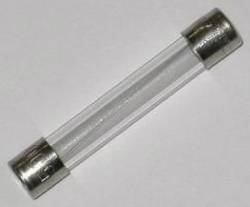
Eska 522522 Fuse 5x20 mm slow 3.15 A
| Lieske Part No. | 290140 |
|---|---|
| Mfg Part No | 522522 |
| EAN-Code | 4260634691128 |
| Manufacturer | Eska |
| Here only | 1,96 EUR
2,33 EUR incl. VAT
|
Further information for Eska 522522 Fuse 5x20 mm slow 3.15 A
| General | |
| Degree of protection | slow-acting |
| Construction type | 5x20 mm |
| Nominal current | 3,15 A |
| Operating voltage | 250 V |
| Norm | EN 60127-2-3 |
Fuse is the general term for small, precisely tripping fuses installed in switchboards, devices, and control systems. The slow-acting tripping characteristic allows it to tolerate short-term current surges, such as those occurring during motor start-up or switching operations, without tripping. This increases system reliability by avoiding unnecessary shutdowns. The fuse is suitable for use in electrical installations with voltages up to 250 V, making it appropriate for many industrial and commercial applications, as well as for use in household appliances with higher power consumption.
DIN 41662 and EN 60127-2-3 are the relevant standards defining the form factor, electrical properties, and testing procedures for this type of fuse. DIN 41662 specifies the dimensions and mechanical requirements, while EN 60127-2-3 defines the electrical characteristics and tripping behavior. Compliance with these standards ensures interoperability with other components and operational safety. The fuse is manufactured in the 5x20 mm form factor, which is a standard size for fuses used in switchboards and devices.
The fuse is designed for use in electrical installations requiring precise and selective protection. Typical applications include switchboards, control systems, electronic devices, and industrial machinery, where interruption of power due to overly sensitive fuses could cause operational disruptions. The slow-acting tripping characteristic makes it particularly suitable for systems with motor or inductive loads, which generate high current surges during start-up. The fuse is not intended for use in high-voltage installations or environments with extreme mechanical stress.
Installation is carried out in suitable fuse holders designed for the 5x20 mm form factor. The fuse is inserted into the holder and secured by a mechanical locking mechanism. It is essential to ensure the fuse is fully seated to guarantee a secure electrical connection. The fuse is not intended for use in explosive environments. The operating voltage of 250 V and nominal current of 3.15 A are maximum values that must not be exceeded to ensure safety and proper function.
The slow-acting tripping characteristic of the fuse provides the operational advantage of not tripping during short-term current surges, such as those occurring during device start-up or switching operations. This increases system availability and prevents unnecessary interruptions. However, the fuse reliably responds to sustained overloads or short circuits, thereby preventing damage to the installation or connected equipment. Compliance with standards DIN 41662 and EN 60127-2-3 ensures reliability and compatibility with other components in the system.
Fuse, slow-acting tripping characteristic, DIN 41662, EN 60127-2-3, 5x20 mm, 250 V are the key features defining the function and application area of this fuse. The fuse is a standard component in electrical installations requiring precise and selective protection. The specifications for voltage, current, and form factor are critical for selecting the correct fuse for a specific application. The slow-acting tripping characteristic is particularly important to ensure system reliability without compromising safety.
The fuse is not intended for use in explosive environments or in environments with extreme mechanical stress. Installation is carried out in suitable holders designed for the 5x20 mm form factor. It is essential to ensure the fuse is fully seated to guarantee a secure electrical connection. The operating voltage of 250 V and nominal current of 3.15 A are maximum values that must not be exceeded to ensure safety and proper function. The fuse is not intended for use in high-voltage installations.
The slow-acting tripping characteristic of the fuse provides the operational advantage of not tripping during short-term current surges, such as those occurring during device start-up or switching operations. This increases system availability and prevents unnecessary interruptions. However, the fuse reliably responds to sustained overloads or short circuits, thereby preventing damage to the installation or connected equipment. Compliance with standards DIN 41662 and EN 60127-2-3 ensures reliability and compatibility with other components in the system.

This is an offer of:
79279 Vörstetten
https://industry-electronics.com
Tel. 07666/88499-0
Fax. 07666/88499-111
Diesen Artikel finden Sie unter:
industry-electronics.com/artikel/290140

Lieske Elektronik e.K.
Reutener Str. 1079279 Vörstetten
https://industry-electronics.com
Tel. 07666/88499-0
Fax. 07666/88499-111
Diesen Artikel finden Sie unter:
industry-electronics.com/artikel/290140