
DEHN 923019 EXFS KU spark gap Ex-zone 2
Energy > Surge Protection
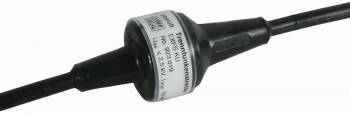
DEHN 923019 EXFS KU spark gap Ex-zone 2
| Lieske Part No. | 934397 |
|---|---|
| Mfg Part No | 923019 |
| EAN-Code | 4013364033177 |
| Manufacturer | DEHN |
| Here only | 659,11 EUR
784,34 EUR incl. VAT
|
Further information for DEHN 923019 EXFS KU spark gap Ex-zone 2
| General | |
| Degree of protection | ATEX-certified |
| Application range | Explosion protection zone 2 (gases) |
| Norm | DIN EN 62305 / VDE 0185 |
| Connection cable cross-section | 25 mm² |
| Cable length | 1500 mm |
| Function | Isolation gap for lightning protection potential equalization |
Applications
The spark gap EXFS KU is used in installations where operationally separated parts (e.g. buildings, machines, lines) require equipotential bonding during lightning strikes, without a direct electrical contact existing during normal operation. This is particularly important in the process industry, petrochemicals, energy supply, and other areas where explosion hazards due to flammable gases may occur. The approval for Zone 2 (gases) ensures its use in areas where explosion hazards exist only under specific conditions and not continuously.
Functions and Equipment in Detail
The EXFS KU enables an indirect connection path between electrical installation parts, which remains open during normal operation but is closed by a spark-over during overvoltages – particularly during lightning strikes. This ensures equipotential bonding between the parts without a permanent electrical contact, which could be dangerous in Ex areas. The flexible conductor connection technology ensures easy and secure installation on various conductors and cables, with the connection being mechanically stable and electrically reliable.
Technology Explained Simply
The spark gap operates on the principle of spark-over technology: during an overvoltage exceeding the permissible threshold (e.g. from lightning), the insulation between the contacts is broken down, and a spark-over occurs. This temporarily closes the current path, allowing equipotential bonding to take place. During normal operation, the contact remains open, ensuring the separation of installation parts. The ATEX certification confirms that the device meets explosion safety requirements and may be used in Zone 2 (gases). Standards DIN EN 62305 and VDE 0185 define requirements for lightning protection in electrical installations, with the EXFS KU specifically designed for equipotential bonding in Ex areas.
Compatibility and Accessories
The spark gap EXFS KU is designed for use in existing lightning protection systems that require separation of installation parts during normal operation. It is equipped with connection cables enabling connection to lines with a cross-section of 25 mm². The cables are 1500 mm long and serve for secure and flexible integration into existing installations. The EXFS KU is part of a comprehensive protection concept, which also includes other components such as surge protection devices, earthing systems, and line connections.
Installation and Mounting
Mounting is carried out on the affected installation parts that are electrically separated during normal operation but require equipotential bonding during lightning strikes. The flexible conductor connection technology allows easy attachment to cables and lines. Installation must follow the requirements of standards DIN EN 62305 and VDE 0185, as well as the specific requirements of the respective installation operator. The spark gap must be mounted at an accessible and clearly visible location to ensure easy maintenance and inspection.
Operational Advantages
The EXFS KU provides a reliable solution for equipotential bonding in Ex areas without requiring a permanent electrical contact. This reduces the risk of spark formation during normal operation and increases safety in explosion-hazardous environments. The ATEX certification and compliance with standards DIN EN 62305 and VDE 0185 guarantee high quality and reliability. The flexible conductor connection technology simplifies installation and integration into existing installations, enabling efficient and safe installation.

This is an offer of:
79279 Vörstetten
https://industry-electronics.com
Tel. 07666/88499-0
Fax. 07666/88499-111
Diesen Artikel finden Sie unter:
industry-electronics.com/artikel/934397

Lieske Elektronik e.K.
Reutener Str. 1079279 Vörstetten
https://industry-electronics.com
Tel. 07666/88499-0
Fax. 07666/88499-111
Diesen Artikel finden Sie unter:
industry-electronics.com/artikel/934397